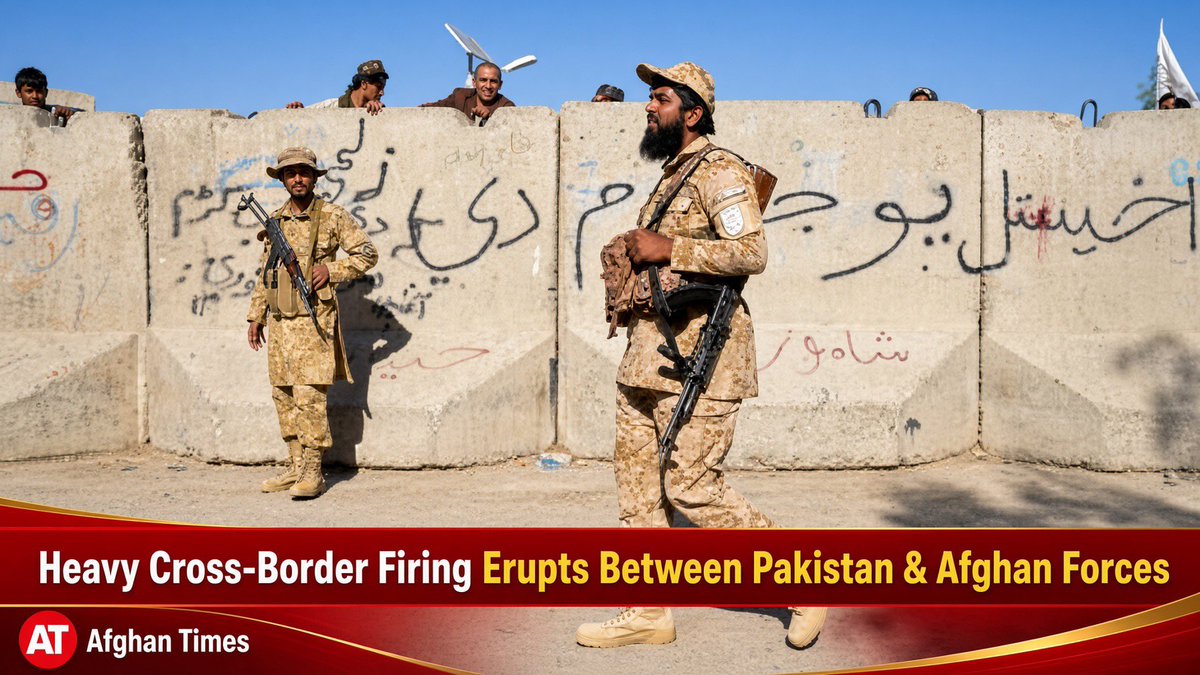
Heavy Cross-Border Firing Erupts
Recent developments along the Pak-Afghan border have escalated tensions, as heavy firing between Pakistani and Afghan forces has been reported. The exchanges, which began earlier this week, have raised concerns about the stability of the region and the potential for further conflict.
Background on Border Tensions
The Pakistan-Afghanistan border has long been a flashpoint for tension, influenced by a variety of factors including territorial disputes, militant activities, and political instability. Both countries have faced challenges in managing their respective borders, often resulting in skirmishes. Historically, the Durand Line, established in the 19th century, has been a contentious issue between the two nations, complicating relations and contributing to military engagements.
Analysis of Current Clashes
The recent skirmishes appear to be part of a broader pattern of conflict, fueled by allegations of cross-border attacks and a lack of effective communication channels between military leaders from both sides. Although the situation is serious, there have been calls for restraint from both Islamabad and Kabul, highlighting the desire to avoid escalation. While it is essential to maintain national security, it is equally crucial to engage in dialogue aimed at conflict resolution. Military exchanges like these may provoke national sentiments, but they also underscore an urgent need for cooperative approaches to security in the region.
International Response
International stakeholders, including neighboring countries and global powers, have expressed concern regarding the clashes. Calls for calm have been issued by various entities, advocating for peaceful negotiations to prevent further escalation. Diplomatic channels remain critical, as regional stability is paramount not only for Pakistan and Afghanistan but for South Asia as a whole. The involvement of international mediators may be beneficial in fostering an environment conducive to dialogue, encouraging bilateral talks between Islamabad and Kabul.
Looking Forward
Amidst the current violence, it is vital to remain optimistic about the potential for peace and collaboration between Pakistan and Afghanistan. Both nations stand to gain from constructive engagement rather than confrontation. Establishing a platform for dialogue could pave the way for addressing longstanding issues, enhancing trade relationships, and fostering regional stability. As clashes continue to unfold, the international community should advocate for de-escalation and emphasize the importance of communication between both sides.
.png)