Background
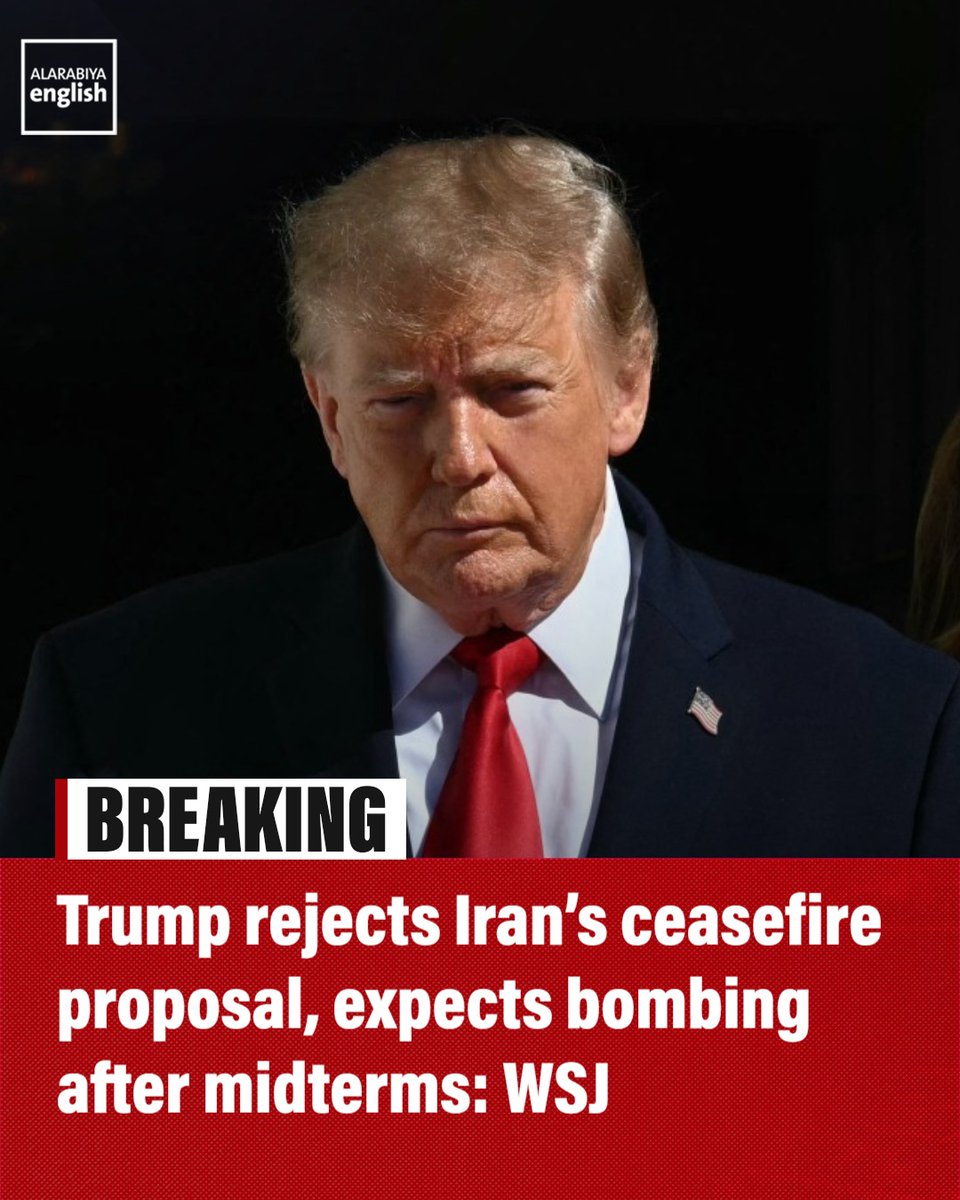
In a significant geopolitical development, US President Donald Trump has officially rejected Iran's proposal for a seven-day ceasefire. This decision has raised alarms worldwide as it signals the potential for renewed military action against Tehran following the upcoming November midterms.
Analysis
Sources from the Wall Street Journal report that Trump conveyed to his aides his intent to resume bombings following the elections. The rejection of the ceasefire proposal is indicative of a broader strategy to maintain pressure on Iran's government.
This move comes in the context of rising tensions in the Middle East, where various factions are vying for power and influence. Trump's administration has maintained a hardline stance against Iran since its withdrawal from the nuclear deal in 2018, and this latest development emphasizes the continuation of that policy.
International Response
Internationally, responses to Trump's decision vary. Allies in Europe have expressed concerns over the escalation of violence, highlighting the need for diplomatic engagement rather than military confrontation. Meanwhile, Iran's leadership has condemned the rejection as a failure of good faith negotiations, challenging the US to reconsider its approach.
Countries in the region, particularly those adjoining Iran, are bracing for the implications of increased military operations, fearing that such actions could destabilize an already volatile area. Several initiatives for dialogue have emerged, reflecting a desire among stakeholders to foster peace rather than pursue conflict.
Looking Forward
As the US approaches the midterms and the likelihood of resuming military operations looms, analysts urge a careful examination of the potential consequences. A renewed bombing campaign could not only heighten tensions with Iran but may also have unintended repercussions on US interests in the region.
Moving forward, it will be crucial for the current administration to balance its foreign policy strategies with diplomatic overtures to de-escalate potential conflicts. There remains a significant opportunity for reconstruction of dialogues that could pave the way for a more peaceful resolution. The situation remains fluid, and observers will be keenly watching for any signs of change post-elections.
.png)